Heating, Ventilation, and Air Conditioning (HVAC) systems play a vital role in maintaining indoor comfort across various environments, from residential homes to commercial buildings. These systems are designed to regulate temperature, humidity, and air quality, ensuring that occupants enjoy a comfortable atmosphere regardless of external weather conditions. Understanding the fundamentals of HVAC systems is essential for anyone considering installation or maintenance, as it lays the groundwork for making informed decisions about energy efficiency and system longevity.There are several types of HVAC systems available, each tailored to meet specific needs and preferences. The most common types include:
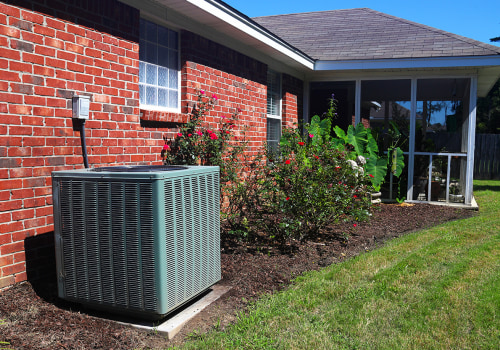
- Split Systems: These consist of an outdoor unit that houses the compressor and condenser, and an indoor unit that contains the evaporator coil.
Split systems are popular for their efficiency and ability to provide both heating and cooling.
- Packaged Systems: In this configuration, all components are housed in a single unit, typically installed on the roof or a concrete slab outside the building. Packaged systems are ideal for smaller spaces where indoor installation is not feasible.
- Ductless Mini-Split Systems: These systems offer flexibility by allowing for zoned heating and cooling without the need for ductwork. They are particularly beneficial in older homes or spaces where traditional ducting is impractical.
- Geothermal Systems: Utilizing the earth's stable underground temperature, geothermal systems provide an energy-efficient option for heating and cooling. They require a significant upfront investment but can lead to substantial long-term savings.
A well-functioning HVAC system can enhance indoor air quality by filtering out pollutants and allergens, contributing to better health for occupants. Additionally, modern HVAC systems are designed with energy efficiency in mind, which can lead to lower utility bills and a reduced carbon footprint. Proper installation is crucial; it ensures that the system operates at peak efficiency, minimizing wear and tear while maximizing performance. Understanding these aspects of HVAC systems not only prepares you for installation but also empowers you to make choices that will benefit your home or business in the long run.
Preparing for Installation
Before diving into the installation of HVAC systems, it is crucial to undertake thorough preparations.This phase not only ensures a smoother installation process but also enhances the overall efficiency and longevity of the system. Here are the essential steps to prepare for your HVAC installation:
Site Assessment
The first step in preparing for HVAC installation is conducting a comprehensive site assessment. This involves evaluating the space where the system will be installed. Consider the following factors:- Space Availability: Ensure there is adequate space for the HVAC unit, ductwork, and any additional components.
Measure the area to confirm that the selected system will fit comfortably.
- Accessibility: Check if the installation site is easily accessible for technicians and equipment. This includes considering doorways, staircases, and any potential obstacles that may hinder movement.
- Existing Infrastructure: Assess any existing ductwork or electrical systems that may impact the new installation. Determine if modifications are necessary to accommodate the new HVAC system.
Gathering Necessary Tools
Having the right tools on hand is vital for a successful HVAC installation. Here’s a list of essential tools you should gather:- Basic Hand Tools: Screwdrivers, pliers, wrenches, and hammers are fundamental for assembling and securing components.
- Power Tools: A drill and saw may be required for cutting through materials or making adjustments to fit the system.
- Measuring Instruments: A tape measure and level will help ensure accurate measurements and proper alignment during installation.
- Safety Gear: Don’t forget personal protective equipment (PPE) such as gloves, goggles, and masks to ensure safety during the installation process.
Understanding Local Codes and Regulations
Before proceeding with your HVAC installation, familiarize yourself with local building codes and regulations.Compliance with these codes is essential for several reasons:
- Safety: Adhering to local codes ensures that your installation meets safety standards, reducing risks associated with improper installations.
- Permits: Many jurisdictions require permits for HVAC installations. Check with your local authorities to determine what permits are necessary before starting work.
- Energy Efficiency Standards: Local regulations may dictate specific energy efficiency standards that your new system must meet. Understanding these requirements can help you choose an appropriate unit.
Step-by-Step Guide to Installing HVAC Systems
Installing an HVAC system is a multifaceted process that requires careful planning and execution.Below is a detailed breakdown of the essential steps involved in the installation of HVAC systems, ensuring that you have a comprehensive understanding of what is required.
- Review Manufacturer's Guidelines
Before you begin, it is crucial to thoroughly read and understand the manufacturer's instructions for your specific HVAC unit. Each model may have unique requirements regarding installation, which can include specific tools needed, safety precautions, and recommended practices. Ignoring these guidelines can lead to inefficiencies or even damage to the system.Before you begin, it is crucial to thoroughly read and understand the manufacturer's instructions for your specific HVAC unit. Each model may have unique requirements regarding installation, which can include specific tools needed, safety precautions, and recommended practices. Ignoring these guidelines can lead to inefficiencies or even damage to the system. - Prepare the Installation Site
Ensure that the area where the HVAC system will be installed is clean and free from obstructions. This includes removing any debris and ensuring that there is adequate space for both the indoor and outdoor units.If you are installing ductwork, make sure that the framing and insulation are in place before proceeding.
- Install Ductwork (if applicable)
If your HVAC system requires ductwork, this should be installed before any drywall is put up. Proper duct installation is vital for efficient airflow throughout your home. Use insulated ducts to minimize energy loss and ensure that all connections are sealed tightly to prevent leaks. - Calculate Heating and Cooling Loads
Accurately calculating the heating load value (HLW) is essential for selecting the right size HVAC unit. This calculation takes into account factors such as square footage, insulation quality, window sizes, and local climate conditions.Consulting with a professional can help ensure that this step is done correctly.
- Electrical Connections
Once the physical components are in place, you will need to connect the electrical wiring according to local codes and regulations. This step often requires a licensed electrician to ensure safety and compliance. Make sure to turn off power at the circuit breaker before starting any electrical work. - Install Thermostat
The thermostat plays a crucial role in regulating your HVAC system's performance. Follow the manufacturer's instructions for installation, ensuring that it is placed in a location that accurately reflects the temperature of your living space. - Test the System
After everything is installed, it’s time to test your HVAC system.Turn on the unit and check for proper operation. Listen for unusual noises, check for air leaks around ducts, and ensure that both heating and cooling functions are working as intended.
Calculating Heating Load Value (HLW)
Calculating the Heating Load Value (HLW) is a critical step in the installation of HVAC systems. This value represents the amount of heat energy required to maintain a comfortable indoor temperature during colder months.Understanding and accurately calculating HLW ensures that your HVAC system is appropriately sized, which directly impacts its efficiency and performance.
Importance of HLW in HVAC Installation
The significance of calculating HLW cannot be overstated. An improperly sized HVAC system can lead to various issues, including:
- Increased Energy Costs: An oversized system will cycle on and off frequently, leading to higher energy consumption.
- Inconsistent Temperatures: An undersized system may struggle to maintain desired temperatures, resulting in discomfort.
- Shortened Equipment Lifespan: Frequent cycling and overworking can lead to premature wear and tear on the HVAC unit.
Factors Affecting Heating Load
Single-pane windows allow more heat to escape compared to double or triple-pane options.
How to Calculate Heating Load Value
The calculation of HLW can be complex, but it generally involves the following steps:
- Measure Square Footage: Calculate the total area of each room that requires heating.
- Assess Insulation Levels: Evaluate the insulation quality in walls, ceilings, and floors.
- Account for Windows and Doors: Determine the heat loss through windows and doors based on their type and size.
- Consider Local Climate Data: Use local weather data to understand average winter temperatures and heating degree days.
- Use a Manual J Calculation: For precise results, consider using a Manual J calculation method or consult with an HVAC professional who can perform this detailed analysis.
Common Mistakes to Avoid During Installation
When it comes to the installation of HVAC systems, even minor oversights can lead to significant issues down the line. Understanding common mistakes can help you avoid costly repairs and ensure your system operates efficiently. Here are some frequent pitfalls to watch out for during the installation process:- Improper Sizing of Equipment: One of the most critical errors is selecting an HVAC unit that is either too large or too small for the space.
An oversized unit may cool or heat a room too quickly, leading to increased humidity and discomfort, while an undersized unit will struggle to maintain the desired temperature. Always perform a thorough load calculation to determine the appropriate size.
- Neglecting Ductwork Design: The design and layout of ductwork are essential for optimal airflow. Poorly designed ducts can lead to air leaks, reduced efficiency, and uneven temperature distribution. Ensure that ducts are properly sealed and insulated, and consider using a professional to design an effective duct system.
- Ignoring Local Codes and Regulations: Each region has specific building codes and regulations regarding HVAC installations.
Failing to adhere to these can result in fines or the need for costly rework. Always check local codes before beginning installation.
- Inadequate Insulation: Insufficient insulation around ducts can lead to energy loss and decreased efficiency. Make sure all ductwork is well-insulated, especially in unconditioned spaces like attics or crawl spaces.
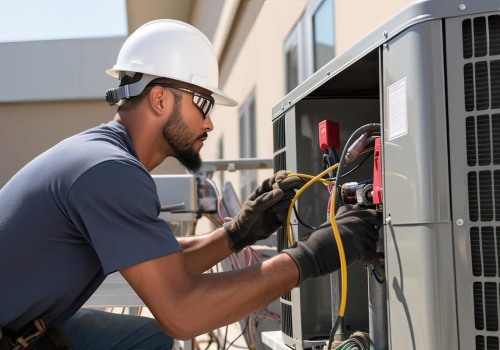
- Skipping Professional Help: While DIY projects can be rewarding, HVAC installation is complex and requires specialized knowledge. Attempting to install a system without professional assistance can lead to mistakes that compromise safety and efficiency.
Hiring a qualified technician ensures that the installation meets all standards.
- Consult with Experts: Before starting your installation, consult with HVAC professionals who can provide insights on equipment selection, duct design, and local regulations.
- Conduct Thorough Research: Familiarize yourself with the specific requirements of your HVAC system and any potential challenges related to your home’s layout.
- Plan for Future Maintenance: Ensure that your installation allows for easy access to components for future maintenance and repairs.
When to Hire a Professional Installer
When considering the installation of HVAC systems, many homeowners may wonder whether to tackle the project themselves or hire a professional. While DIY projects can be rewarding, there are specific scenarios where enlisting the help of an expert is not only advisable but essential for ensuring optimal performance and safety.Scenarios That Call for Professional Help
- Complex Installations: If your HVAC system requires intricate ductwork or involves multiple units, it’s best to hire a professional. Experts have the experience to navigate complex layouts and ensure that all components work harmoniously.
- Older Homes: Homes with outdated electrical systems or unique architectural features may pose challenges during installation. Professionals can assess these factors and make necessary adjustments to accommodate modern HVAC systems.
- Local Codes and Regulations: Many areas have specific building codes and regulations regarding HVAC installations.
A professional installer will be familiar with these requirements, ensuring that your system is compliant and avoiding potential fines.
- Safety Concerns: HVAC systems involve electrical components and refrigerants that can be hazardous if mishandled. Hiring a professional minimizes risks associated with improper installation, protecting both your home and your family.
Benefits of Hiring an HVAC Expert
Choosing to hire a professional for your HVAC installation comes with numerous advantages:- Expertise and Experience: Professionals bring years of training and hands-on experience, allowing them to identify potential issues before they arise. Their knowledge ensures that your system is installed correctly the first time.
- Time Efficiency: A professional can complete the installation much faster than a DIY approach, allowing you to enjoy your new system sooner. They also have access to specialized tools that can expedite the process.
- Warranty Protection: Many manufacturers require professional installation for warranty coverage.
By hiring an expert, you protect your investment and ensure that any future issues are covered under warranty.
- Post-Installation Support: Professionals often provide ongoing maintenance services, ensuring that your HVAC system continues to operate efficiently long after installation.
Post-Installation Checklist and Maintenance Tips
Once the installation of your HVAC system is complete, it’s essential to conduct a thorough post-installation checklist to ensure everything is functioning correctly. This not only helps in identifying any immediate issues but also sets the stage for long-term efficiency and reliability.Post-Installation Checklist
- Inspect the System: Check all components of the HVAC system, including the thermostat, air handler, and outdoor unit. Ensure that there are no visible signs of damage or improper installation.
- Test the Thermostat: Set the thermostat to different temperatures and verify that the system responds accordingly.
This ensures that your heating and cooling settings are accurate.
- Check Airflow: Ensure that air is flowing freely from all vents. Blocked or restricted airflow can lead to inefficiencies and increased energy costs.
- Inspect Ductwork: Look for any leaks or disconnections in the ductwork. Sealing these can significantly improve system efficiency.
- Verify Refrigerant Levels: Ensure that the refrigerant levels are within the manufacturer’s specifications. Low refrigerant can lead to poor cooling performance.
- Review Installation Documentation: Keep all manuals and warranty information in a safe place for future reference.
Maintenance Tips for HVAC Systems
To maintain optimal performance and extend the lifespan of your HVAC system, regular maintenance is crucial.Here are some effective tips:
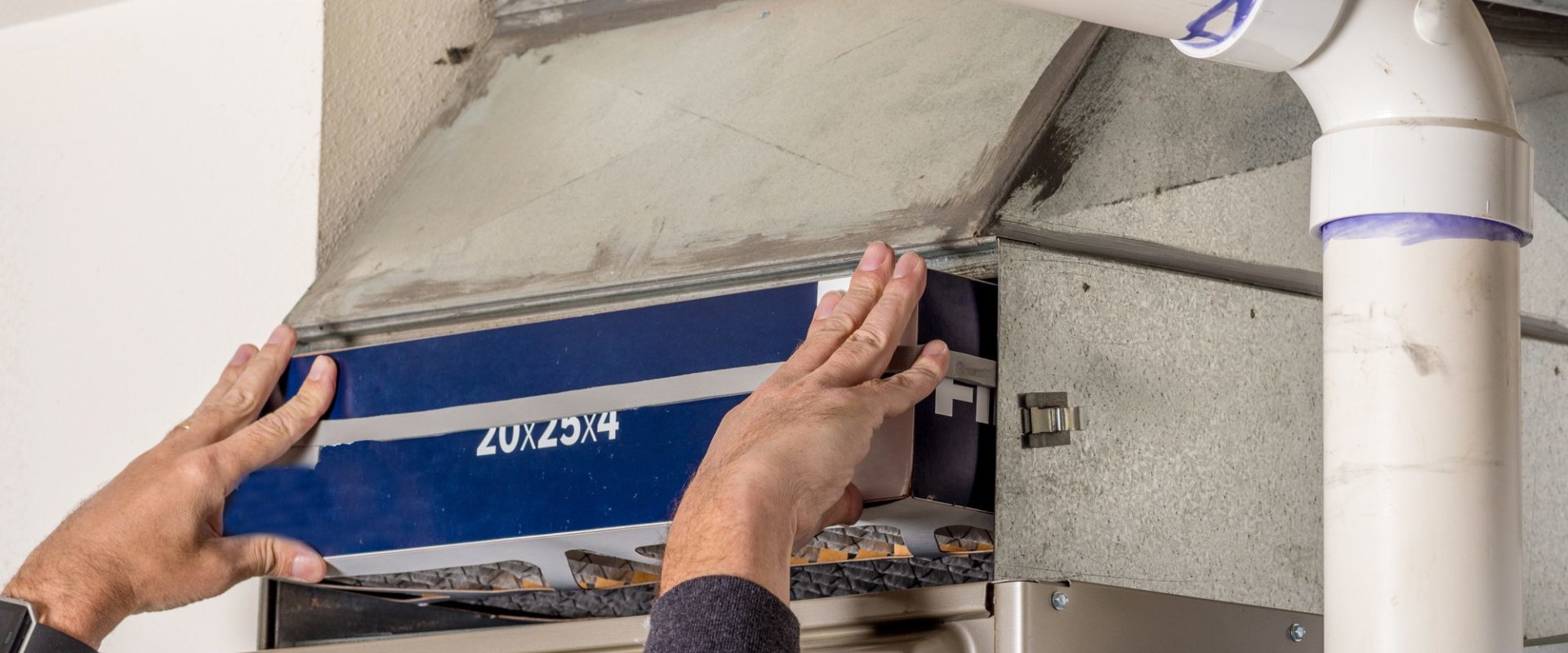
- Change Filters Regularly: Replace or clean air filters every 1-3 months, depending on usage. Clogged filters restrict airflow and can cause your system to work harder than necessary.
- Schedule Annual Inspections: Have a professional technician perform a comprehensive inspection at least once a year. This can help identify potential issues before they become major problems.
- Clean Coils and Fins: Dust and debris can accumulate on the evaporator and condenser coils, reducing efficiency. Clean these components regularly to ensure optimal heat exchange.
- Check Drain Lines: Ensure that condensate drain lines are clear to prevent water damage and mold growth.
A clogged drain line can lead to significant issues over time.
- Monitor System Performance: Keep an eye on your energy bills and system performance. If you notice a sudden increase in energy costs or inconsistent temperatures, it may be time for a professional evaluation.
Conclusion: Ensuring a Successful HVAC Installation
In conclusion, the installation of HVAC systems is a multifaceted process that requires careful planning, execution, and adherence to best practices. By following the essential steps outlined in this article, you can significantly enhance the efficiency and longevity of your HVAC system.First and foremost, it is crucial to follow the manufacturer's instructions. Each HVAC unit comes with specific guidelines tailored to its design and functionality.Ignoring these instructions can lead to improper installation, which may result in costly repairs or replacements down the line.Secondly, installing ductwork before drywall is a vital step that cannot be overlooked. This approach not only protects the ductwork from potential damage during the drywall installation but also ensures that your system operates efficiently without any obstructions.Another critical aspect is calculating the Heating Load Value (HLW). This calculation helps determine the appropriate size of your HVAC system based on your home’s unique characteristics. Factors such as square footage, insulation quality, and window placement all play a role in this assessment.
Consulting with a professional can provide you with accurate calculations and recommendations.Lastly, hiring a qualified professional for the installation of your HVAC system is highly recommended. While DIY projects can be rewarding, HVAC systems are complex and require specialized knowledge and tools for proper installation. A professional will ensure that everything is set up correctly, minimizing the risk of future issues.By adhering to these essential steps—following manufacturer guidelines, installing ductwork before drywall, calculating HLW accurately, and hiring a professional—you can ensure a successful HVAC installation that meets your home’s heating and cooling needs effectively. Remember, investing time and resources into proper installation will pay off in terms of comfort, efficiency, and long-term savings.